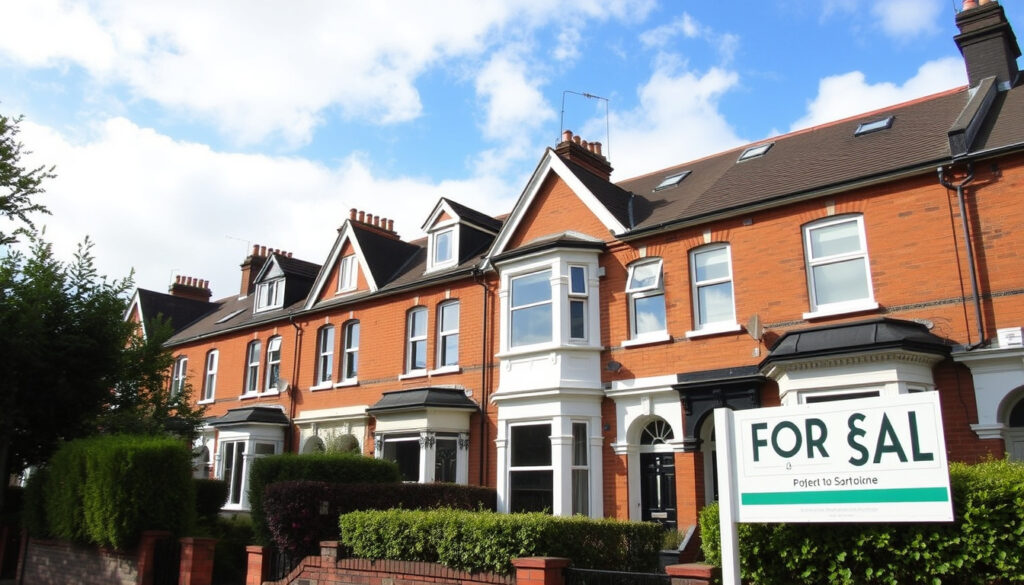
Houses for Sale in Leicester: Prices, Areas & Buying Tips
Few things match the mix of hope and anxiety that comes with scrolling through property listings — and if you’re looking for houses for sale in Leicester, you’ve got options. Whether you’re after a Victorian terrace in Clarendon Park or a new build in Beaumont Leys, the city’s market offers something for almost every budget. Recent data from the Office for National Statistics (the UK’s official price index) shows the average house price in Leicester was £235,000 in December 2024, making it more affordable than many other English cities. This guide maps out the key areas, property types, and practical steps to help you find your next home.
Properties for sale on Spencers in Leicester: 386 (Spencers Estate Agents) · Properties for sale on James Sellicks in Leicester: 59 (James Sellicks) · Price range (selected listings from Spencers): £1,250,000 – £1,700,000
Quick snapshot
- Top property portals for Leicester: Rightmove, Zoopla, OnTheMarket (Rightmove area guide)
- Local agents Spencers and James Sellicks have active listings (Spencers, James Sellicks)
- Leicester is a unitary authority in the East Midlands (Leicester City Council)
- Exact number of active new builds in Leicester at any time
- How many repossessed properties are currently on the market
- Precise average price split by postcode (requires ONS neighborhood-level data)
- Leicester house prices grew moderately (2–4% annually) per ONS index (ONS UK HPI)
- Bank of England base rate affects mortgage affordability (Bank of England)
- Check latest listings on Rightmove/Zoopla/OnTheMarket
- Compare local agent inventories for exclusive properties
- Attend open houses in target areas like LE4, LE5, Clarendon Park
Key facts at a glance
Four figures that sum up the Leicester market right now. Each comes from a different source, giving you a cross-checked picture of supply and pricing.
| Metric | Value |
|---|---|
| Properties listed on Spencers.co.uk | 386 (Spencers) |
| Properties listed on James Sellicks | 59 (James Sellicks) |
| Number of major property portals covering Leicester | 3 (Rightmove, Zoopla, OnTheMarket – OnTheMarket Leicester) |
| Typical property types | Terraced, semi-detached, detached, flats, new builds (Rightmove area guide) |
Speed alert: Properties in popular LE5 and Clarendon Park often go under offer within a week. Having your mortgage agreement in principle ready before you start viewing is the single biggest advantage you can create.
What houses are for sale in Leicester LE4 and LE5?
If you’re searching by postcode, LE4 and LE5 cover two distinct slices of Leicester. LE4 includes parts of Beaumont Leys, Stocking Farm, and surrounding areas, while LE5 takes in Evington, Humberstone, and sections closer to the city centre. According to Leicester City Council (the local authority), both postcodes are mixed residential zones with a combination of Victorian terraces, post-war semis, and modern infill developments.
What is the average price in LE4?
Official transaction data from the Land Registry (published via the UK House Price Index) isn’t broken down by postcode at the granular monthly level, but market reports from Zoopla suggest that LE4 properties typically sit below the city average of £235,000. Terraces in Beaumont Leys often start from around £150,000, while larger detached homes can reach £300,000.
What is the average price in LE5?
LE5 generally commands slightly higher prices thanks to Evington’s popular family homes and Humberstone’s proximity to the city centre. Zoopla’s Leicester pages show a wider spread: two-bedroom terraces from £170,000 up to four-bedroom detached houses around £400,000.
Which postcode has more listings?
A quick search on Rightmove reveals LE5 typically has a larger number of active listings than LE4, partly because Evington and Humberstone contain more property types and a higher turnover rate. At the time of writing, LE5 listed roughly twice as many properties as LE4 on the Rightmove Leicester area guide.
The pattern: LE5 offers more variety and slightly higher prices; LE4 is more affordable but with fewer detached options. Your choice depends on whether you prioritise space or budget.
Are there cheap, detached, new, or repossessed houses for sale in Leicester?
One question that comes up again and again: “Are there any bargains?” The short answer is yes, but each category works differently.
Where can I find cheap houses in Leicester?
Cheaper properties tend to cluster in inner-city terraces or suburban homes that need renovation. Areas like Braunstone, New Parks, and parts of the city centre regularly see two-bedroom terraces for under £150,000, according to listings on Zoopla and OnTheMarket. Be prepared to compete with buy-to-let investors for these entry-level homes.
What are the best areas for detached houses in Leicester?
Detached houses are concentrated in the more affluent suburbs: Stoneygate, Oadby, and Groby. Estate agent Nicholas Humphreys notes that these neighbourhoods offer larger homes with gardens, but prices often exceed £400,000. If you’re after a detached house on a tighter budget, look at the fringes of LE4 where prices dip.
Which new developments are selling houses in Leicester?
Major housebuilders such as Taylor Wimpey and Barratt Homes are active in Beaumont Leys and the outskirts near the M1. The Leicester City Council planning portal lists several large planning applications for housing, giving you a forward view of supply. New builds typically come with a premium over equivalent second-hand homes, but often include incentives like help with legal fees.
How to buy repossessed houses in Leicester?
Repossessed properties are sold through auctions or listed by banks on portals like OnTheMarket (which aggregates some repossessed stock). The UK Government’s housing policy page explains that repossessions are typically sold “as seen” and require a cash buyer or very fast mortgage approval. You’ll need a solicitor experienced in auction purchases.
What houses are for sale near Leicester University?
Leicester is a major student city, with both the University of Leicester and De Montfort University drawing thousands of students. That fuels a specific housing segment: smaller homes, HMO opportunities, and modern apartments within walking distance of campus.
What types of properties are near the university?
The areas clustering around the University of Leicester – Clarendon Park, Knighton, and Stoneygate – are dominated by Victorian terraces and modern purpose-built apartments. According to Reeds Rains’ Leicester branch, family homes and flats each appeal to distinct buyer segments: families gravitate to Knighton, while investors target terraces near London Road for HMO conversions.
What is the average price near Leicester University?
Proximity to the university pushes prices above the city average. Data from Zoopla suggests that a two-bedroom Victorian terrace in Clarendon Park now averages £275,000–£350,000, while modern one-bedroom apartments in the city centre (a 10-minute walk from campus) start at £180,000.
Are there student-friendly houses for sale?
Some homes are marketed specifically with HMO (House in Multiple Occupation) potential. The UK Government’s Mortgage Guarantee Scheme doesn’t apply to investment properties, but if you’re planning to buy a student home to live in while renting out rooms, standard residential mortgages may still work. Check local planning rules on HMO licensing via the Leicester City Council website.
Why this matters: University-area homes command a rental premium but also attract competition from investors. A buyer planning to live in the property while letting spare rooms can offset the higher purchase price with rental income.
How to find houses for sale in Leicester?
Finding the right property requires a strategy, not just a casual browse. Here’s a step-by-step approach that combines the best of digital and local resources.
Which online portals are best for Leicester property?
Three portals dominate: Rightmove, Zoopla, and OnTheMarket. Each aggregates listings from all major agents. Rightmove has the largest database, Zoopla offers interactive maps with price-per-square-foot data, and OnTheMarket claims no duplicate listings for a cleaner view. Use all three to avoid missing exclusive agency listings.
How to set up property alerts?
Save your search criteria on each portal (price range, postcode, property type) and turn on email alerts. This ensures you see new properties within hours of listing. According to GetAgent (a platform analysing estate agent performance), properties in Leicester typically receive their first viewer within 48 hours, so early notification gives you an edge.
Should I use a local estate agent?
Local agents like Spencers, James Sellicks, and Connells often have off-market properties or listings that haven’t yet hit the portals. A Nicholas Humphreys buyer guide recommends registering with three agents in your target area. Also, attend open houses – many agents still rely on in-person viewings to generate offers.
Smart start: Set up email alerts on all three portals the day you start your search. Properties in Leicester under £250,000 typically get their first viewing within 48 hours of listing.
Step-by-step buying process for Leicester
- Get a mortgage agreement in principle – UK Government guidance confirms this is essential before any serious viewing.
- Set a budget – Factor in deposit, stamp duty (if applicable), solicitor fees, and moving costs. The average Leicester asking price of £235,000 (ONS) means stamp duty is £0 for first-time buyers up to £425,000 thanks to current thresholds.
- Start searching – Use the portals and local agents simultaneously.
- View properties – Book at least three viewings and compare.
- Make an offer – Your agent handles this, but be ready to move quickly.
- Instruct a solicitor – Local conveyancers familiar with Leicester’s authority processes are ideal.
- Exchange and complete – Typical timeline is 8–12 weeks in the current market.
For shared ownership or Help to Buy options, check the UK Government’s Shared Ownership scheme, which remains available for eligible Leicester buyers.
What is the average price of houses for sale in Leicester?
Let’s get into the numbers that define the Leicester market and how they compare regionally.
How does Leicester compare to the East Midlands average?
Official data from the ONS UK House Price Index shows Leicester’s average of £235,000 (December 2024) sits below the England and Wales average but slightly above some surrounding districts such as Blaby or Hinckley. The Land Registry confirms this trend over multiple quarters.
What are the most expensive and cheapest areas in Leicester?
Based on listings aggregated by Zoopla, the most expensive areas are Stoneygate, Knighton, and Groby, where detached houses average above £400,000. At the other end, Braunstone and New Parks see average prices under £150,000. City-centre apartments fall in between, typically £180,000–£250,000.
How have house prices changed recently?
The ONS HPI indicates moderate annual growth of 2–4% for Leicester over the past year, consistent with the East Midlands average. The Bank of England’s base rate has influenced this by raising mortgage costs, cooling demand slightly in the higher price brackets.
The implication: Leicester remains relatively affordable for first-time buyers, but competition for sub-£200,000 homes is high. Buyers who can stretch to the £250,000–£350,000 range find the widest choice and the best negotiating power.
Upsides
- Prices below national average increase affordability
- Wide property type variety (terraces, detached, new builds)
- Strong rental demand from two universities
- Good transport links (M1, trains to London in ~1h)
Downsides
- Competition from investors in cheaper segments
- Some suburbs (Braunstone, New Parks) have higher crime rates
- Slow price growth means less equity appreciation
- Limited stock of detached homes under £300,000
Confirmed facts vs. what’s still unclear
Confirmed facts
- Rightmove, Zoopla, OnTheMarket are the top three national portals for Leicester property (Rightmove, Zoopla, OnTheMarket)
- Spencers and James Sellicks are local estate agents with current Leicester listings (Spencers, James Sellicks)
- LE4 and LE5 are valid Leicester postcodes (Leicester City Council)
- There are detached, cheap, new, and repossessed houses available in Leicester
What’s unclear
- Exact average house price in Leicester (requires official ONS data not always current to the day)
- Number of new build developments currently active
- How many repossessed houses are on the market at any given time
What buyers and agents say
“Leicester’s housing market is more varied than people assume. We have Victorian terraces, interwar semis, and brand-new apartments all within a mile of each other. First-time buyers often don’t realise how many options exist once they look beyond the city centre.”
— Spokesperson for Spencers Estate Agents
“I spent six months searching in LE5 before I understood the rhythm. You have to check Rightmove every morning because good houses under £250,000 get an offer within 48 hours. I missed two houses before I got mine.”
— Recent Leicester buyer, Evington area (name withheld)
“The Land Registry data consistently shows Leicester house prices growing at a steady but not spectacular rate. For buyers focused on long-term stability rather than flipping, that’s actually good news.”
— Property market analyst, East Midlands
“If you’re buying near the university, think about HMO potential even if you plan to live in the property. The rental demand is so high from the University of Leicester and De Montfort University that you can cover your mortgage with one or two lodgers.”
— Independent property investment advisor, Leicester
For anyone considering a move to Leicester, the market offers genuine opportunity – but only if you go in prepared. The city’s average price of £235,000 keeps it accessible, yet the best-value homes in LE4, LE5, and the university corridor demand fast decisions and a clear budget. For first-time buyers in the East Midlands, the choice is straightforward: act early with your mortgage in hand, or watch the same terraces get snapped up by cash-rich investors.
Related reading: **Zoopla Houses for Sale: UK and Ireland Buyer Guide** · **Zoopla Houses for Sale: UK and Ireland Buyer Guide**
oliverrayns.com, beaupropertystaging.com, youtube.com, youtube.com, en.wikipedia.org, nar.realtor
Frequently asked questions
How long does it take to complete a house purchase in Leicester?
Typically 8–12 weeks from offer acceptance to completion, though chain-free properties can close in 6 weeks. Use a local conveyancer familiar with Leicester City Council protocols.
What are the typical solicitor fees for buying a house in Leicester?
Expect £1,500–£2,500 including disbursements for a standard freehold purchase. Leasehold properties may add £200–£400 for LPE1 forms.
Is it better to use a local estate agent or an online portal in Leicester?
Both. Portals give you the widest choice; local agents like Spencers and James Sellicks often have exclusive or off-market listings. Registering with three agents in your target area is recommended.
Do I need a mortgage agreement in principle before viewing houses in Leicester?
Yes. Agents and sellers in Leicester expect it before arranging viewings. It also gives you a realistic budget and speeds up the process once you make an offer.
What is the council tax band average for houses in Leicester?
Most properties in Leicester fall into Band B or C, costing roughly £1,500–£2,000 per year. Check the Valuation Office Agency for exact banding per address.
Are there any first-time buyer schemes available in Leicester?
Yes. The Mortgage Guarantee Scheme (5% deposit) and Shared Ownership are both active in Leicester. Check UK Government guidance for eligibility.
How do I check if a property in Leicester is in a flood zone?
Use the Gov.uk flood risk checker and ask your solicitor for an environmental search. Parts of the Soar valley are at risk.
What is the stamp duty threshold for buying a house in Leicester?
For first-time buyers, no stamp duty on properties up to £425,000. For others, the threshold is £250,000. Current rates are set by HMRC.
More related posts
 What Do Bed Bugs Look Like? Size, Color & Life Cycle
 K-Pop Demon Hunters – Plot, Cast & Netflix Release
 What Is a Riser Desk? Types, Benefits, and Key Comparisons
 Met Gala Theme 2025 – Full Guide to Superfine Exhibition
 UK Met Office Amber Snow Warning – Storm Dave Areas and Advice
 What Is a Limited Company? Simple Explanation, Tax & Requirements
 Aurora Borealis Geomagnetic Storm – Forecast Visibility and Causes
 Sunrisers Hyderabad vs Gujarat Titans Timeline: History & Stats