7 Foods to Avoid with Diverticulitis NHS – Flare-Up Diet
Finding out you have diverticulitis can feel like your diet has suddenly shrunk. One day, nuts and seeds are a healthy snack — the next, they’re on a list of foods to avoid. The truth, backed by current NHS guidance, is more practical and less restrictive than many older sources suggest.
People affected annually (UK): 1 in 3 over age 60 ·
Hospital admissions per year (UK): Over 70,000 ·
NHS recommendation on nuts and seeds: No need to avoid (2024) ·
Recurrence rate within 5 years: 20–50% ·
Dietary fiber target per day (NHS): 30g
Quick snapshot
- High-fiber diet reduces diverticulitis risk (NHS)
- Nuts and seeds do not cause diverticulitis (West Suffolk NHS Foundation Trust)
- NSAIDs increase perforation risk (NHS)
- Exact role of red meat in triggering flares remains debated (NHS)
- Whether specific fruits like strawberries worsen symptoms is not established (Cleveland Clinic)
- Symptoms typically improve within 2–4 days of treatment (Mayo Clinic)
- Full gut healing may take several weeks (University Hospitals Dorset NHS Foundation Trust)
- Gradually reintroduce fiber after symptoms resolve (NHS)
- Aim for 30g fiber daily long-term for prevention (West Suffolk NHS Foundation Trust)
Five key figures capture the scope of diverticulitis in the UK and the dietary adjustments recommended by the NHS.
| Label | Value |
|---|---|
| Condition | Diverticulitis (inflamed diverticula) |
| NHS stance on nuts and seeds | No need to avoid (2024 guidance) |
| Recommended fiber intake (UK) | 30g per day |
| Hospital admissions per year (UK) | Over 70,000 |
| Recurrence rate | 20–50% within 5 years |
The patterns in this table point to a clear message: long-term diet matters more than temporary restrictions.
What foods calm down diverticulitis?
During an acute flare, a temporary low-fiber diet gives the inflamed colon a chance to rest — but the goal is always to return to high-fiber eating as soon as symptoms improve.
Low-fiber baseline diet for flare-ups
- Clear liquids for 1–2 days: water, clear broths, ice pops without fruit bits, gelatin, and hard candy (Mayo Clinic)
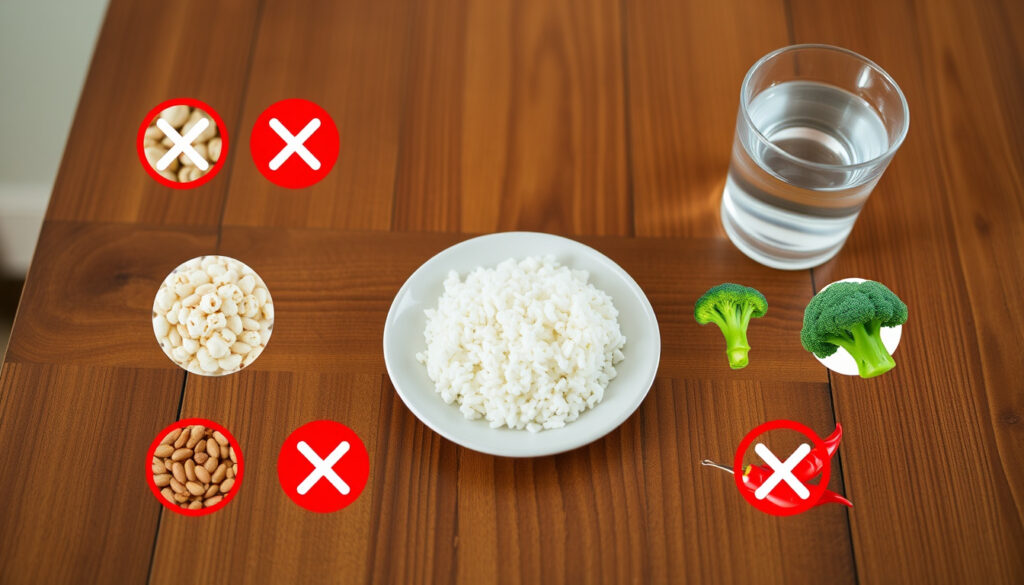
- Low-fiber foods once liquids are tolerated: white bread, white rice, plain pasta, Cream of Wheat, finely ground grits, and refined flour cereals (Mayo Clinic)
- Many dairy products are safe: fat-free or low-fat milk, yogurt, mild cheeses, cottage cheese, sherbet, and low-fat ice cream (Mayo Clinic)
- University Hospitals Dorset NHS Foundation Trust recommends a “relatively bland diet avoiding irritant foods” until symptoms subside (University Hospitals Dorset NHS Foundation Trust)
The pattern is clear: during a flare, you pare back fiber to around 8–12 grams per day, then rebuild. Cleveland Clinic notes that a low-fiber diet during a mild flare typically limits fiber to between 8 and 12 grams daily depending on severity (Cleveland Clinic).
Returning fibrous foods after healing
- The NHS advises slowly increasing fiber intake, drinking plenty of water alongside (NHS)
- West Suffolk NHS Foundation Trust notes that recent evidence suggests no clear benefit to reducing fiber during episodes of diverticulitis — meaning the low-fiber phase should be as short as clinically sensible (West Suffolk NHS Foundation Trust)
- Reintroduce one high-fiber food every 2–3 days and monitor tolerance (NHS)
What this means: the low-fiber phase is a short-term tool, not a long-term diet. The quicker you can transition back to fiber-rich eating, the better for your gut health.
If you have been eating a very low-fiber diet for more than a few weeks, you may need to reintroduce fiber gradually to avoid bloating and discomfort — this is normal, not a sign of a new flare.
Is porridge bad for diverticulitis?
Why porridge is good for diverticulosis
- Porridge (oatmeal) is high in soluble fiber, which helps soften stool and reduce pressure in the colon (NHS)
- For people with diverticulosis (pouches that have not become inflamed), a high-fiber diet including porridge is recommended for prevention (West Suffolk NHS Foundation Trust)
- The NHS explicitly states there are “no specific foods you need to avoid” long-term (NHS)
When to avoid porridge during diverticulitis
- During an acute flare, if you are following a low-fiber diet, you should temporarily avoid porridge because of its high fiber content (University Hospitals Dorset NHS Foundation Trust)
- Once symptoms resolve, porridge is one of the best foods to reintroduce first — it is gentle and provides soluble fiber that supports regular bowel movements (NHS)
The trade-off: porridge is an excellent long-term food for diverticulosis, but during a flare-up it may be too rough on the colon. Listen to your symptoms and follow your healthcare provider’s advice on timing.
What are the worst things you can eat if you have diverticulosis?
The foods that irritate an acute flare are not the same as the foods that cause diverticulosis. Long-term restrictions based on outdated advice have left many people unnecessarily avoiding nutritious foods for years.
Red meat and processed meats
- Diets high in red and processed meats are associated with higher inflammation and may increase diverticulitis risk (NHS)
- The NHS recommends a balanced diet with limited amounts of red and processed meat for overall health (NHS)
Refined grains and sugary foods
- Low-fiber options like white bread, sugary cereals, and pastries contribute to constipation, which raises pressure inside the colon (Cleveland Clinic)
- These foods are safe to eat during an acute flare (they are low in fiber) but should be minimized long-term (Mayo Clinic)
Foods that may irritate existing pouches
Seven foods are commonly restricted during an acute diverticulitis flare-up because of their high fiber content or tough-to-digest components. These are temporary measures, not lifelong bans.
- Whole grains — Brown rice, whole wheat bread, whole wheat pasta, and unrefined oats are high in insoluble fiber that can irritate inflamed tissue during a flare (Cleveland Clinic)
- Nuts and seeds — Almonds, walnuts, sunflower seeds, sesame seeds, and similar are avoided temporarily during flares (University Hospitals Dorset NHS Foundation Trust). The NHS says long-term avoidance is not needed (NHS)
- Popcorn — The hulls can be difficult to digest during a flare. West Suffolk NHS Foundation Trust says the latest evidence shows no need to avoid it long-term (West Suffolk NHS Foundation Trust)
- Raw fruits with skins and seeds — Apples with skin, berries, grapes, and citrus fruits with pith are restricted during a flare. Mayo Clinic advises avoiding raw fruits and vegetables while recovering (Mayo Clinic)
- Raw vegetables with skins and seeds — Cucumbers with peel, tomatoes with seeds, peppers, and other raw vegetables with tough skins are avoided during acute episodes (University Hospitals Dorset NHS Foundation Trust)
- Beans and legumes — Chickpeas, lentils, kidney beans, and baked beans are high in fiber and can cause bloating and gas during a flare (Cleveland Clinic)
- Cooked high-fiber vegetables — Spinach, peas, corn, broccoli, and Brussels sprouts are restricted during recovery because they are high in insoluble fiber (Mayo Clinic)
What is a good breakfast for diverticulitis?
Breakfast ideas during a flare-up
- White toast with a thin layer of smooth peanut butter (no seeds) or low-fat cream cheese (Mayo Clinic)
- Low-fiber cereals made from white or refined flour, such as Rice Krispies or Corn Flakes, served with low-fat milk (Mayo Clinic)
- Scrambled eggs or an omelette with mild cheese — eggs are low in fiber and generally well tolerated (Mayo Clinic)
- Ripe banana or peeled apple (no skin) — these are lower in fiber than their unripe or unpeeled versions (Cleveland Clinic)
Long-term healthy breakfast options
- Porridge (oatmeal) made with whole-rolled oats — high in soluble fiber, ideal for prevention once symptoms have resolved (NHS)
- Bran flakes or other high-fiber cereals with sliced banana and low-fat yogurt (West Suffolk NHS Foundation Trust)
- Wholemeal toast with avocado or poached eggs — provides fiber and healthy fats (NHS)
- Smoothies made with peeled fruits, yogurt, and a spoonful of ground flaxseed (avoid whole seeds during recovery) (Mayo Clinic)
The pattern: breakfast during a flare is soft, low-fiber, and gentle. Long-term, the same meal can become a high-fiber powerhouse. The transition between the two depends on how your gut responds.
What calms a flare-up of diverticulitis?
Rest and hydration
- A short period of clear liquids (water, clear broth, diluted fruit juices without pulp) gives the colon a rest (NHS)
- Drinking at least 1.5–2 litres of fluid per day helps prevent constipation and supports healing (West Suffolk NHS Foundation Trust)
Antibiotics if prescribed
- For mild diverticulitis, some cases are managed without antibiotics if symptoms are manageable (NHS)
- For moderate to severe cases, a course of antibiotics (often co-amoxiclav or metronidazole with a cephalosporin) is prescribed (NHS)
Avoiding trigger foods like seeds and nuts
- Cleveland Clinic advises avoiding whole grains, fruits and vegetables with skin and seeds, nuts, seeds, beans, and popcorn during a flare (Cleveland Clinic)
- However, West Suffolk NHS Foundation Trust states that the latest evidence suggests no need to avoid nuts, corn, popcorn, seeds, tomatoes, or fruit with skins and pips long-term (West Suffolk NHS Foundation Trust)
- The NHS advises avoiding NSAIDs such as ibuprofen and opioid painkillers like codeine because they can cause stomach problems, constipation, and increase the risk of bowel perforation (NHS)
Why this matters: the advice that “seeds and nuts cause diverticulitis” has been widely repeated for decades, but current research — endorsed by multiple NHS trusts — directly contradicts it. The real triggers during a flare are high-insoluble-fiber foods, not specific seeds or nuts themselves.
How long does it take your gut to heal from diverticulitis?
Typical healing timeline
- Symptoms usually improve within 2–4 days of starting treatment (Mayo Clinic)
- Pain, fever, and bowel changes often settle during this window, though some tenderness may persist (NHS)
- Complete healing of the inflamed tissue can take several weeks — the colon needs time to repair the micro-tears and inflammation inside the pouches (University Hospitals Dorset NHS Foundation Trust)
When to return to high-fiber foods
- The NHS advises gradually increasing fiber intake once symptoms have fully resolved (NHS)
- University Hospitals Dorset NHS Foundation Trust recommends staying on a low-fiber diet until symptoms subside, then slowly reintroducing fiber (University Hospitals Dorset NHS Foundation Trust)
- West Suffolk NHS Foundation Trust notes that some people tolerate fiber reintroduction within days, while others need several weeks (West Suffolk NHS Foundation Trust)
Days 1–2: clear liquids and rest. Days 3–5: introduce low-fiber foods if symptoms are improving. Week 1–2: maintain a low-fiber diet, avoiding the 7 trigger foods. Week 3–4: gradually reintroduce fiber and monitor tolerance. Full healing may take longer than symptom relief — do not rush the transition.
The pattern: healing happens in distinct phases, and rushing back to high-fiber eating too soon can trigger a recurrence. Patience during weeks 1–2 pays off with a smoother long-term recovery.
What is the biggest trigger for diverticulitis?
Low dietary fiber
- Long-term low fiber intake is the strongest modifiable risk factor for diverticulitis (NHS)
- A diet lacking fiber leads to harder stools, increased colon pressure, and higher risk of pouch inflammation (Cleveland Clinic)
Obesity and lack of exercise
- Being overweight, particularly with central obesity, increases the risk of diverticulitis and complications (NHS)
- Regular physical activity supports bowel regularity and reduces inflammation (West Suffolk NHS Foundation Trust)
NSAIDs and constipation
- Non-steroidal anti-inflammatory drugs (ibuprofen, naproxen, aspirin) increase the risk of perforation and are among the strongest medication-related triggers (NHS)
- Chronic constipation raises intraluminal pressure, which can cause pouches to form and become inflamed (Mayo Clinic)
- If you need pain relief, paracetamol is generally considered safer — a separate guide on paracetamol safety explains how to use it without stomach irritation
The implication: the biggest trigger is not a single food — it is a combination of low fiber intake, chronic constipation, and the use of NSAIDs. Addressing these three factors has a greater impact on prevention than avoiding any individual food item.
Clarity check: what we know and what we don’t
Confirmed facts
- High-fiber diet reduces the risk of diverticulitis (NHS)
- Nuts and seeds do not cause diverticulitis and do not need to be avoided long-term (NHS)
- NSAIDs increase the risk of perforation (NHS)
- A low-fiber diet during acute flares is a temporary, evidence-based measure (University Hospitals Dorset NHS Foundation Trust)
What’s unclear
- Whether specific fruits like strawberries or raspberries worsen symptoms during a flare (Cleveland Clinic)
- Exact role of red meat in triggering flares — association exists but causation is not confirmed (NHS)
- Whether a low-fiber diet during flares slows healing or prolongs recovery — evidence is mixed (West Suffolk NHS Foundation Trust)
“Eat a healthy, balanced diet including whole grains, fruits and vegetables — there are no specific foods you need to avoid.”
NHS
“The latest evidence suggests that there is no need to avoid nuts, corn, popcorn, seeds, tomatoes and fruit with skins and pips.”
West Suffolk NHS Foundation Trust
For anyone managing diverticulitis in the UK, the choice is clear: follow a temporary low-fiber diet during an acute flare, but do not let outdated myths keep you from eating fiber-rich foods long-term. The NHS guidance is unambiguous — a high-fiber diet with whole grains, fruits, and vegetables is the best prevention. Ignore the decades-old advice about nuts and seeds, and focus instead on the real drivers: fiber intake, hydration, and avoiding NSAIDs where possible. If you are also managing other gut conditions, understanding the difference between diverticulitis and infections like C. diff can help you identify symptoms more accurately.
For official advice on managing the condition, many patients refer to the NHS guidelines on diverticulitis to identify which foods may trigger symptoms.
Frequently asked questions
Can you eat bananas with diverticulitis?
Yes — ripe bananas are low in fiber and are often recommended during a flare-up as they are gentle on the digestive tract. Unripe bananas contain more resistant starch, which may be harder to digest. Peeled and ripe bananas are considered safe by both the Mayo Clinic and Cleveland Clinic.
Is yogurt good for diverticulitis?
Yogurt, particularly plain low-fat or Greek yogurt, is generally well tolerated during and after a flare. It provides protein and probiotics without significant fiber. The Mayo Clinic includes yogurt in its list of safe dairy products during recovery. Avoid varieties with added seeds, nuts, or fruit pieces during an acute flare.
What drinks soothe diverticulitis?
Clear liquids such as water, clear broth, and diluted fruit juices without pulp are recommended during the initial phase of a flare. Herbal teas like peppermint or chamomile may help with bloating and discomfort. The NHS advises staying well hydrated — at least 1.5–2 litres per day — to prevent constipation. Avoid caffeine and alcohol, which can irritate the gut during a flare.
Can I eat eggs during a diverticulitis flare?
Yes — eggs are low in fiber and are considered safe during a flare. Scrambled, poached, or boiled eggs (without added seeds or whole-grain toast) are gentle on the digestive system. The Mayo Clinic lists eggs as a suitable low-fiber protein source during recovery.
Does coffee trigger diverticulitis?
There is no strong evidence that coffee directly triggers diverticulitis. However, caffeine can stimulate bowel movements and may cause discomfort during a flare. The NHS does not list coffee as a food to avoid, but many individuals find that reducing or avoiding caffeine during a flare helps manage symptoms.
Is white bread safe for diverticulitis?
Yes — white bread is made from refined flour and is low in fiber, making it one of the recommended foods during an acute flare. The Mayo Clinic includes white bread, white rice, and plain pasta in its list of safe low-fiber grains. Once symptoms resolve, you should transition back to whole-grain bread for its higher fiber content.
Can I eat oatmeal if I have diverticulitis?
Oatmeal (porridge) is high in soluble fiber and is excellent for long-term prevention of diverticulitis. However, during an acute flare, it may be too high in fiber for a low-fiber diet. Once symptoms subside, oatmeal is one of the best foods to reintroduce — it is gentle, filling, and supports regular bowel movements. The NHS recommends whole grains like oats for a healthy gut long-term.
More related posts
 Google Find My Device – Complete Guide to Locating Lost Phones
 Samsung S25 Ultra Case Guide: Where to Buy in Ireland
 Inter Milan vs Bayern Munich – Preview, Lineups and Prediction
 Rachel Reeves Car Tax Hike – Full 2025 Changes Breakdown
 Dome of the Rock – History Significance Architecture Guide
 Coventry Building Society Arena – Capacity, Events & Parking Guide
 Shadow of the Tomb Raider: The Final Chapter Explained
 Greek God of War – Ares Myths Family Facts